


05 Oct Masai Mara Migration: The Greatest Wildlife Spectacle
The Masai Mara Migration is a breathtaking natural phenomenon that takes place in the plains of East Africa. It is considered one of the world’s most spectacular displays of wildlife behavior. Every year, over 1.5 million wildebeest, along with hundreds of thousands of zebras, gazelles, and elands, embark on a remarkable journey in search of food and water. This great wildlife spectacle captures the imagination of travelers from around the globe, offering a truly unforgettable safari experience.
Understanding the Great Wildebeest Migration
The Great Wildebeest Migration is an ongoing movement of animals within the Serengeti ecosystem, encompassing both the Masai Mara National Reserve in Kenya and various protected areas in Tanzania. The migration is driven by the animals’ instinctual need for sustenance, as they follow the cycle of rainfall and the availability of food sources. When one area becomes depleted, the herds move in search of greener pastures and water.
The exact timing of the migration is influenced by weather patterns and the rainy and dry seasons. While it is not possible to predict the precise dates of the migration, historical data can provide valuable insights into the general timeline. The migration typically starts in July and lasts until October, with the Mara River crossings being a highlight of the journey.
The Mara River Crossings: A Thrilling Encounter with Nature
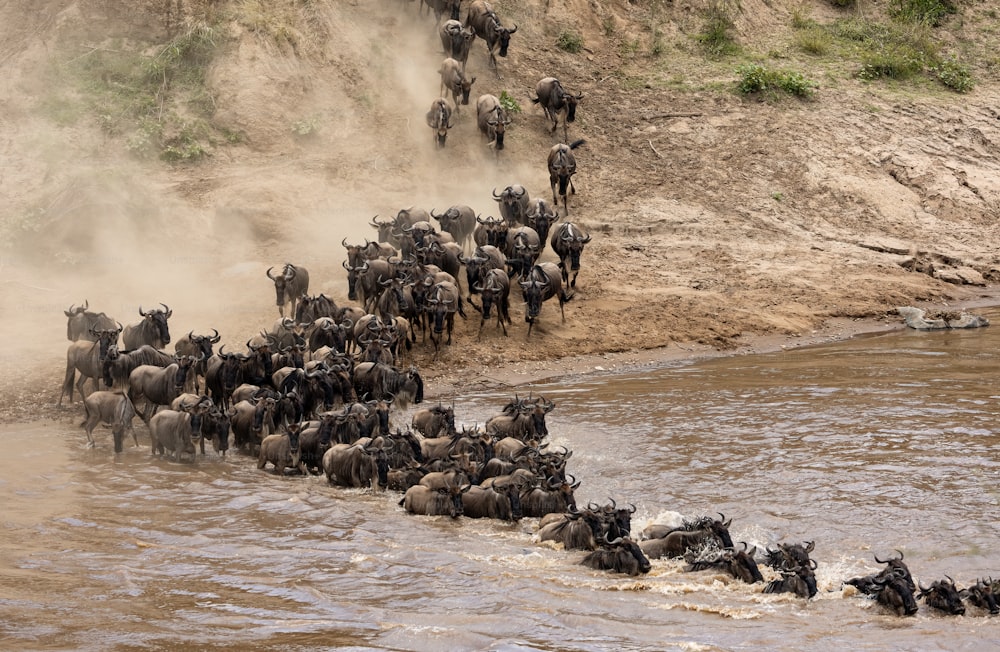
One of the most sought-after events during the Masai Mara Migration is the crossing of the Mara River. This dramatic spectacle occurs as the wildebeest herds gather on the riverbanks, ready to brave the treacherous waters. The sight of thousands of animals plunging into the river is both awe-inspiring and heart-wrenching.
The river crossings are not only a test of the animals’ endurance but also a battle against lurking predators, such as crocodiles, lions, leopards, and hyenas. The wildebeests must navigate the strong currents and avoid becoming prey while attempting to reach the safety of the opposite bank. It is a true test of survival, where only the strongest and most determined make it to the other side.
The Best Time to Witness the Migration
Planning a safari trip to witness the Masai Mara Migration requires careful consideration of the optimal time to visit. While the migration occurs throughout the year, certain periods offer the best opportunities to witness the most significant events, such as the Mara River crossings.
The months of July to October are generally regarded as the prime time to experience the migration in Masai Mara. During this period, the herds have usually reached the Mara, and the river crossings are more likely to occur. However, it is important to note that nature is unpredictable, and the exact timing of the migration can vary from year to year.
To avoid the crowds and enjoy a more intimate experience, consider visiting the Masai Mara conservancies during the peak migration months. These private reserves offer exclusive game viewing opportunities and a chance to witness the migration in a more secluded setting.
The Cycle of the Migration
The Masai Mara Migration follows a cyclical pattern, with the herds moving in a clockwise direction through the Serengeti and Masai Mara ecosystems. The journey begins in the southern Serengeti, where the herds gather in search of food and water. As the dry season sets in, the animals start their northward journey towards the Masai Mara.
In July, the herds start arriving in the Masai Mara, and it is during this time that the famous river crossings may occur. August is when the majority of the wildebeests have reached the Mara, attracting predators and offering incredible opportunities for wildlife viewing. September provides a relatively peaceful period for the herds in the Mara, as they graze on the lush grasses of the reserve.
By October, the rains begin to fall, signaling the end of the migration in Masai Mara. The herds start their journey back to the southern Serengeti, where they will spend the rest of the year. The cycle then repeats itself, ensuring the continuous survival of the wildebeest and maintaining the ecological balance of the Serengeti-Mara ecosystem.
The annual Great Migration in Masai Mara is nature’s grand spectacle, where the rhythm of hooves and the heartbeat of wildebeest echo the timeless dance of survival and renewal on the canvas of the African plains.
Planning Your Masai Mara Migration Safari
When planning your Masai Mara Migration safari, there are several factors to consider to ensure an unforgettable experience. Here are some tips to help you make the most of your trip:
- Research and choose a reputable safari operator or tour company that specializes in Masai Mara Migration safaris. They will have expert guides and extensive knowledge of the migration patterns.
- Select the right time to visit based on your preferences and the specific events you wish to witness, such as the river crossings or the calving season.
- Consider staying in a private conservancy or a luxury tented camp for a more exclusive and intimate safari experience. This will also allow you to explore the surrounding areas and participate in other activities like guided nature walks or cultural interactions.
- Pack appropriate clothing and gear for the safari, including comfortable clothing, sturdy shoes, a hat, sunscreen, and insect repellent. It is also essential to bring a good camera and binoculars to capture the incredible wildlife moments.
- Listen to your guide’s instructions and adhere to the park regulations to ensure your safety and the well-being of the animals. Respect the wildlife and maintain a safe distance at all times.
Conclusion
The Masai Mara Migration is a natural spectacle that captivates the hearts of wildlife enthusiasts and nature lovers alike. Witnessing the herds of wildebeest and other animals as they brave the Mara River and traverse the vast plains is an awe-inspiring experience. Plan your safari trip to Masai Mara during the peak migration months, and immerse yourself in the beauty and drama of this remarkable wildlife event. With proper research, guidance from experts, and a sense of adventure, you can create memories that will last a lifetime.
No Comments